Understanding the Seven Types of Dog Vocalizations
Dogs communicate through various vocalizations, each serving different purposes and conveying distinct emotions or intentions. This guide provides detailed explanations and audio samples for each type.
🔊
1. Bark
Official Definition
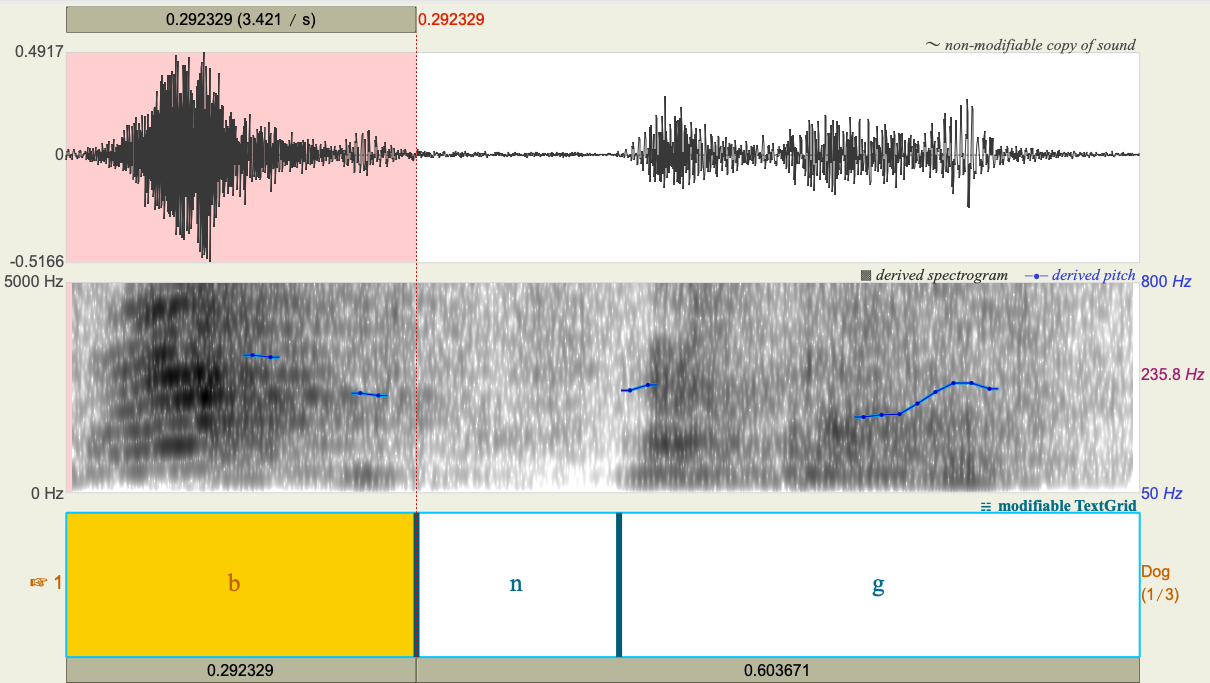
A bark is the sharp, explosive sound made by a dog, typically used as an alert, warning, or expression of excitement.
It is the most common vocalization in dogs and can vary in pitch, duration, and intensity depending on the context.
Barking is generally a short, repetitive sound that serves multiple communicative functions including territorial defense,
greeting, play invitation, or alarm signaling.
Key Characteristics:
Duration: Short bursts (about 0.1-1 second) | Pitch: Medium to high | Context: Alert, warning, excitement, attention-seeking
Audio Samples with Analysis
Sample 1
Audio Player
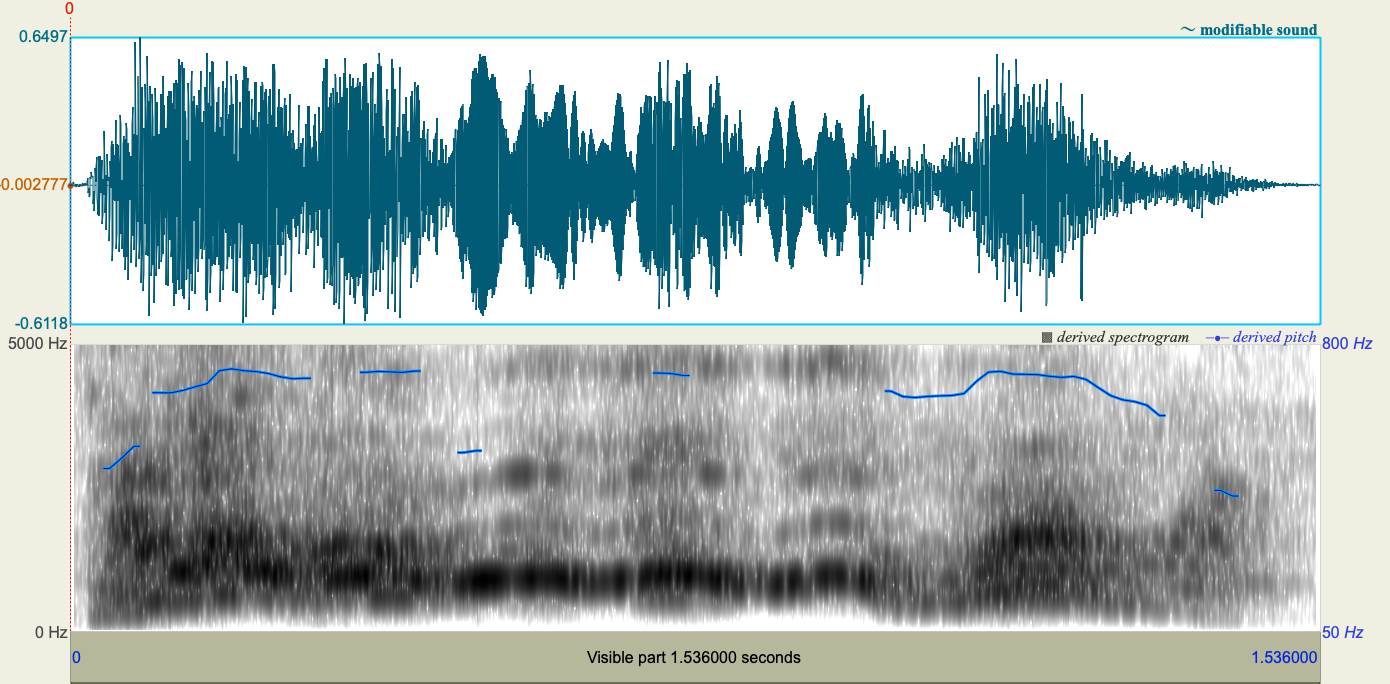
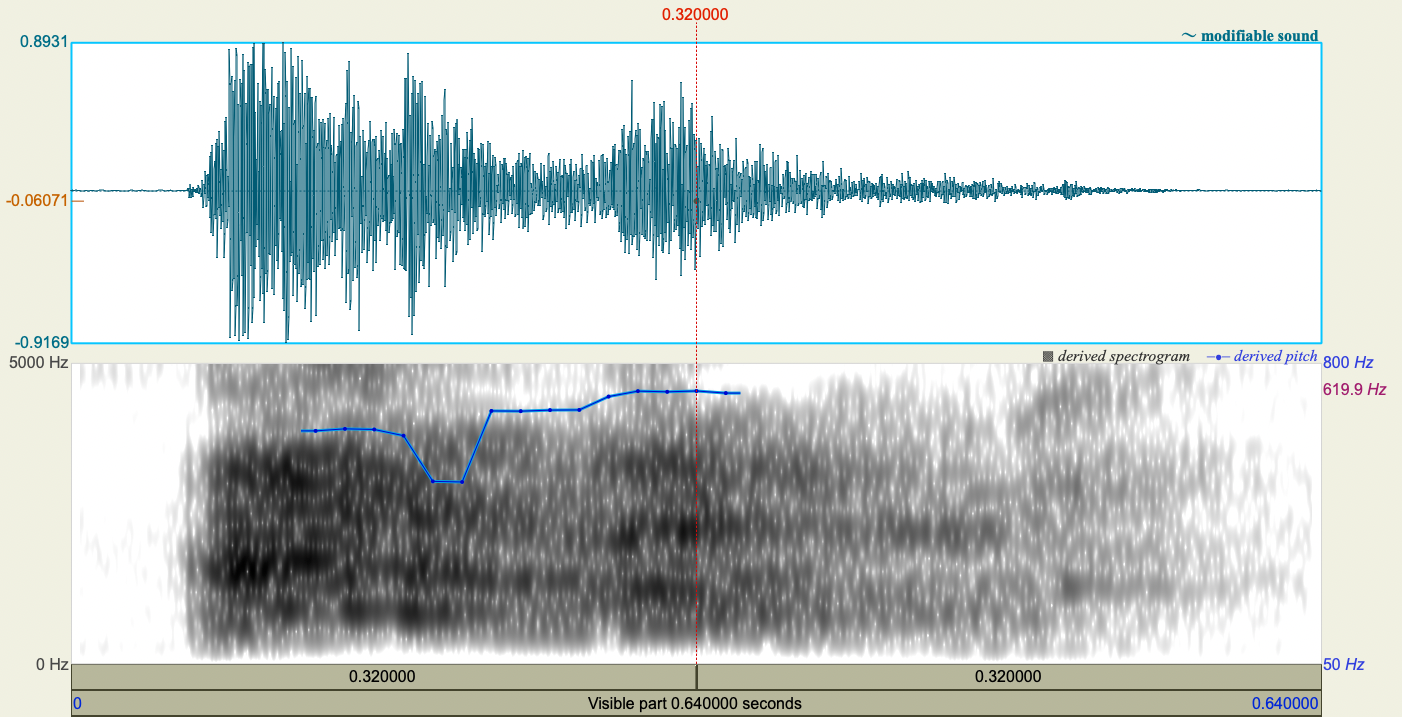
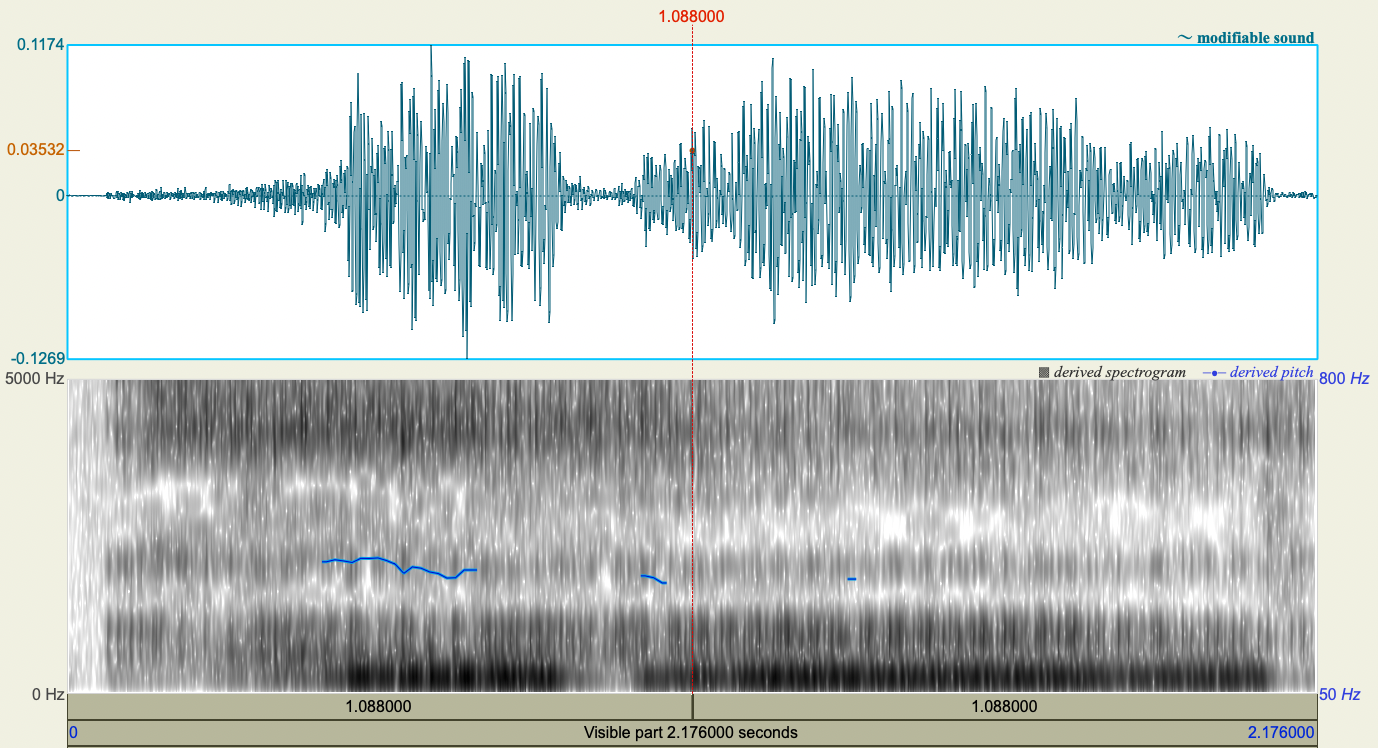
Waveform & Spectrogram
Sample 2
Audio Player
Waveform & Spectrogram
🔔
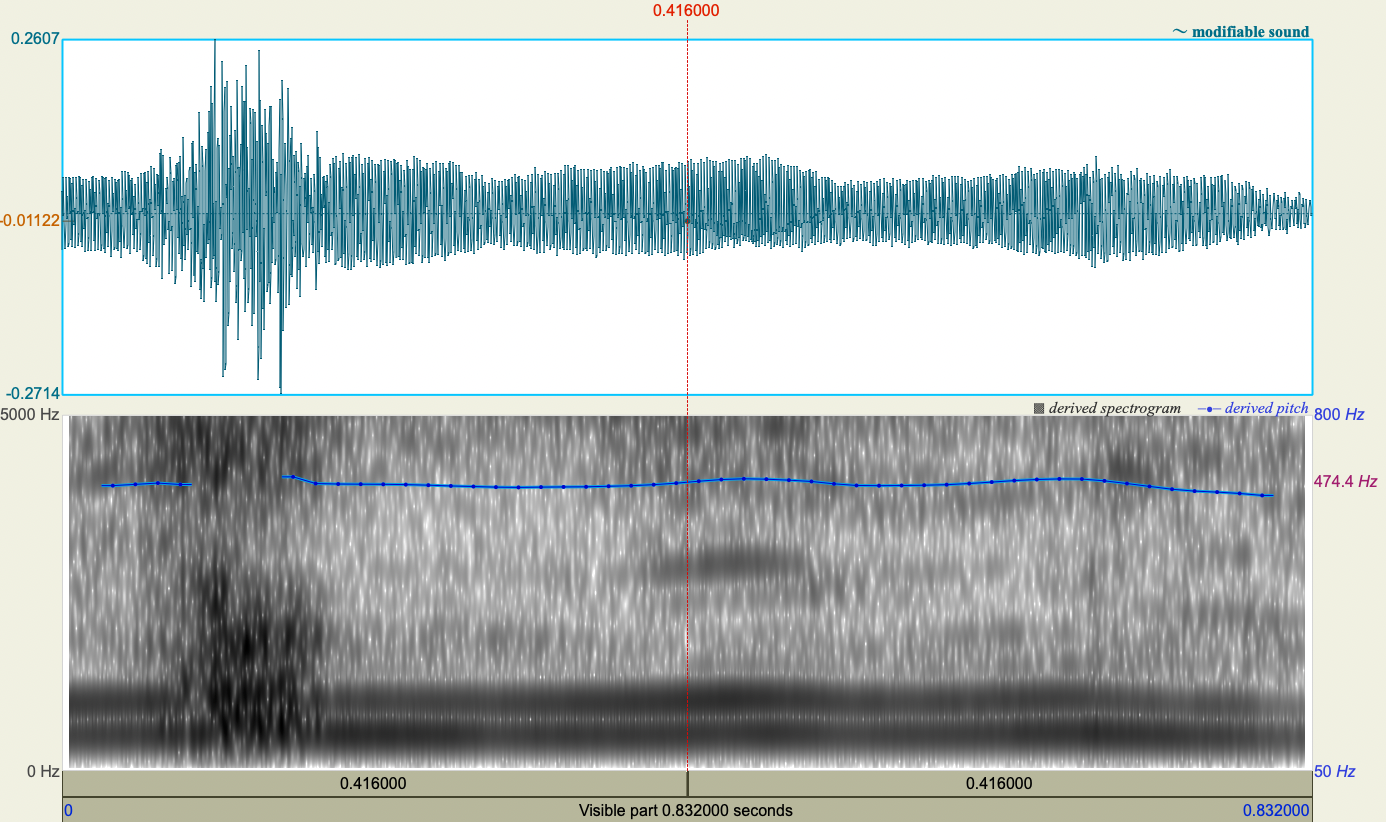
2. Yip
Official Definition
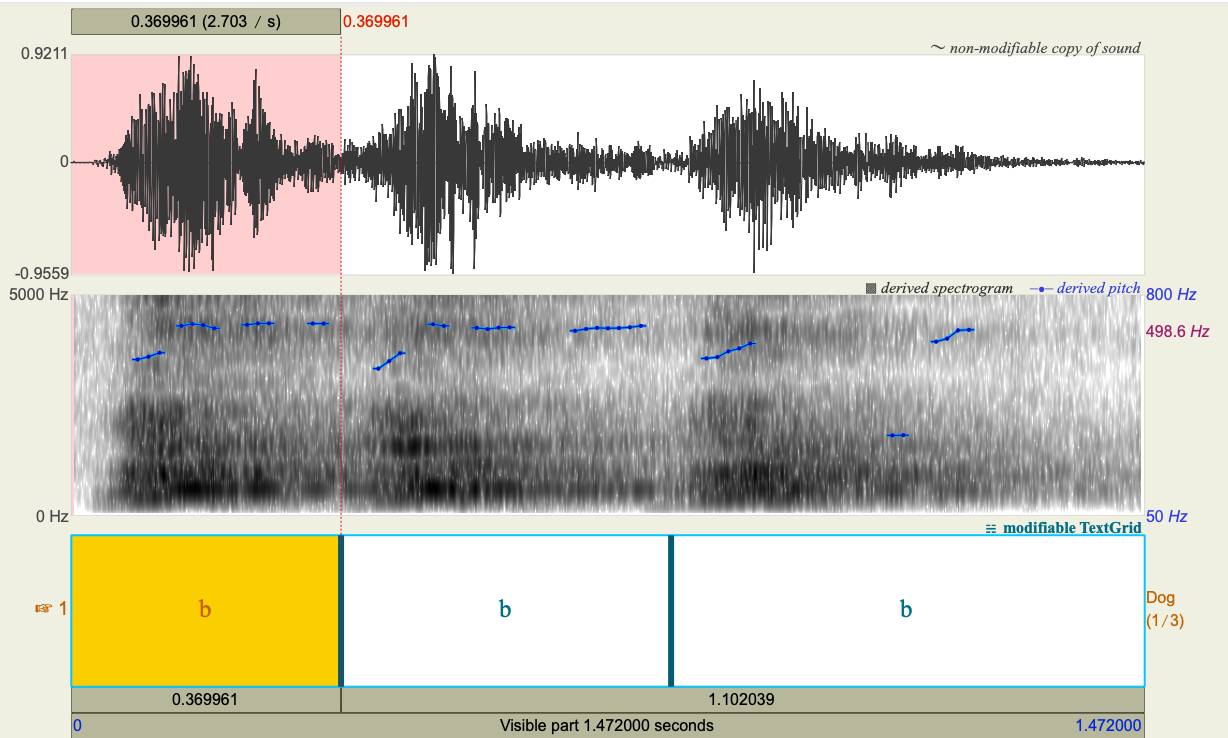
A yip is a short, high-pitched, sharp bark or yelp typically produced by small dogs or puppies.
A yip is a sharp high-pitched bark or cry, typically from a miniature dog.
It is characterized by its brevity and higher frequency compared to standard barks.
Yips are often expressions of excitement, surprise, or mild pain, and are commonly heard during play or when seeking attention.
This vocalization is generally less aggressive than a full bark and often indicates a non-threatening emotional state.
Key Characteristics:
Duration: Very short (0.05-0.3 seconds) | Pitch: High | Context: Excitement, surprise, play, mild distress
Audio Samples with Analysis
Sample 1
Audio Player
Waveform & Spectrogram
Sample 2
Audio Player
Waveform & Spectrogram
📢
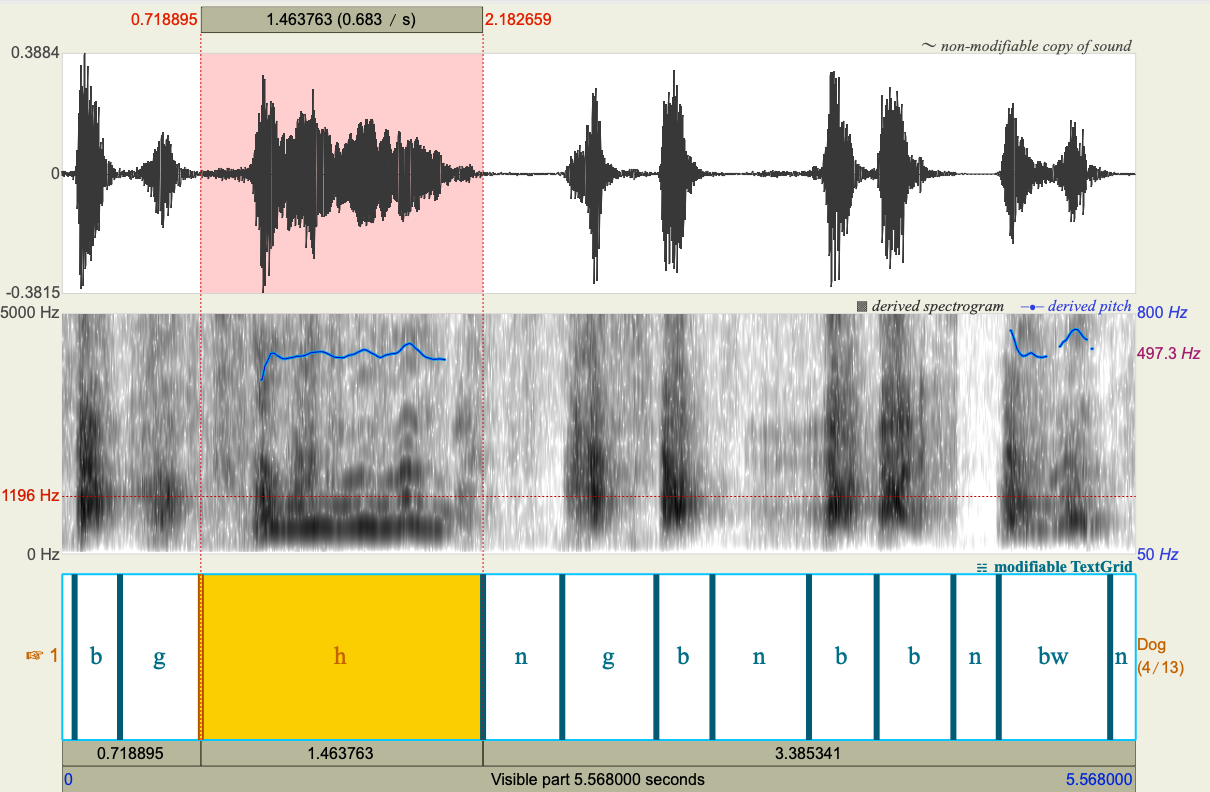
3. Bow-wow
Official Definition
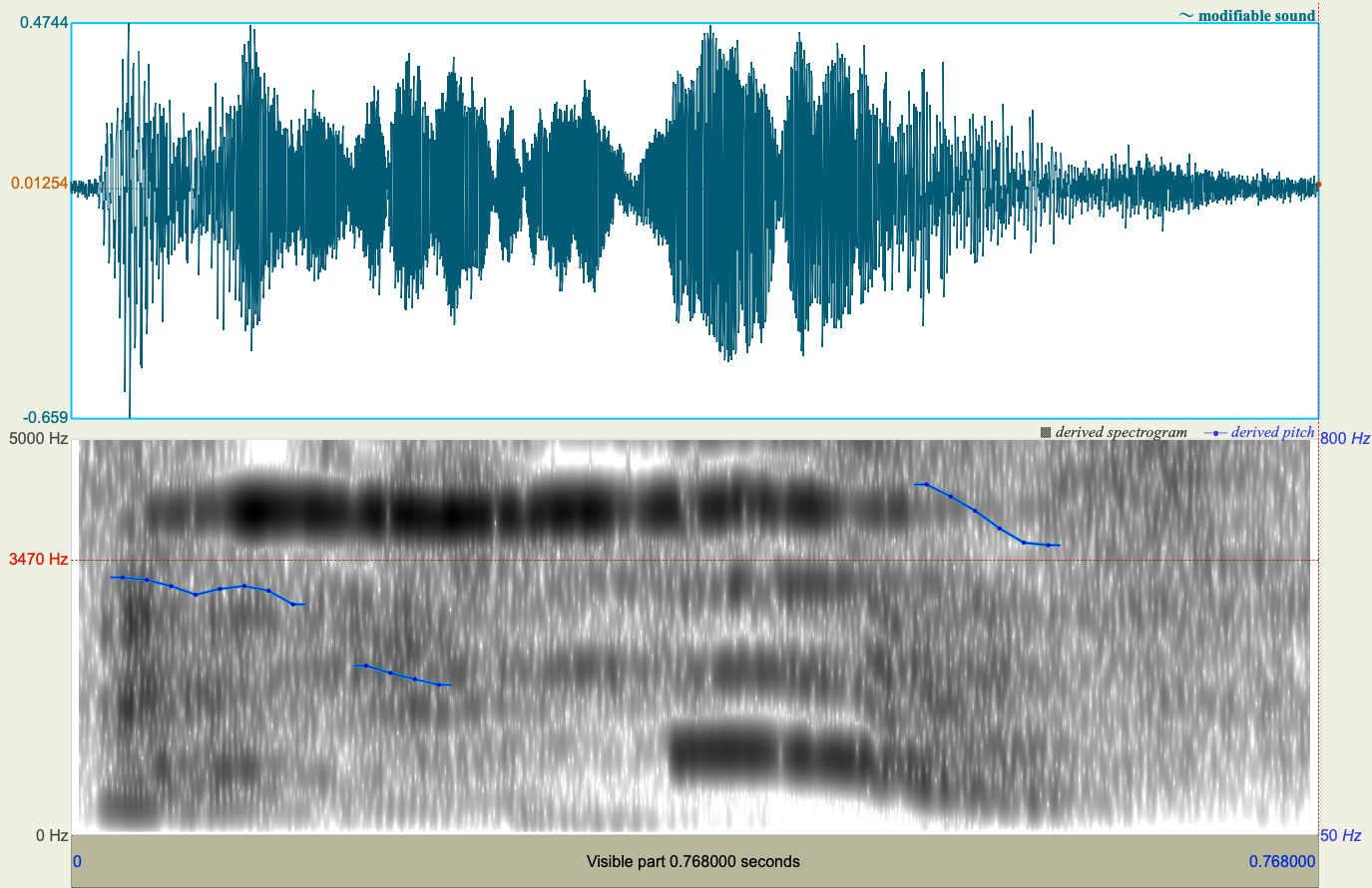
Bow-wow is dog communication sound that is more tonal and less abrupt than a classic bark.
It has a tone changes. (maybe pitch, tone, or consonant)
This type of bark is commonly associated with adult dogs and conveys a sense of authority or confident communication.
The bow-wow is characterized by its deeper timbre and more sustained vocal quality, often used in greetings,
announcements of presence, or as a moderate-intensity warning.
Key Characteristics:
Duration: Medium (0.3-0.8 seconds) | Pitch: Medium to low | Context: Greeting, presence announcement, moderate alert
Audio Samples with Analysis
Sample 1
Audio Player
Waveform & Spectrogram
Sample 2
Audio Player
Waveform & Spectrogram
⚠️
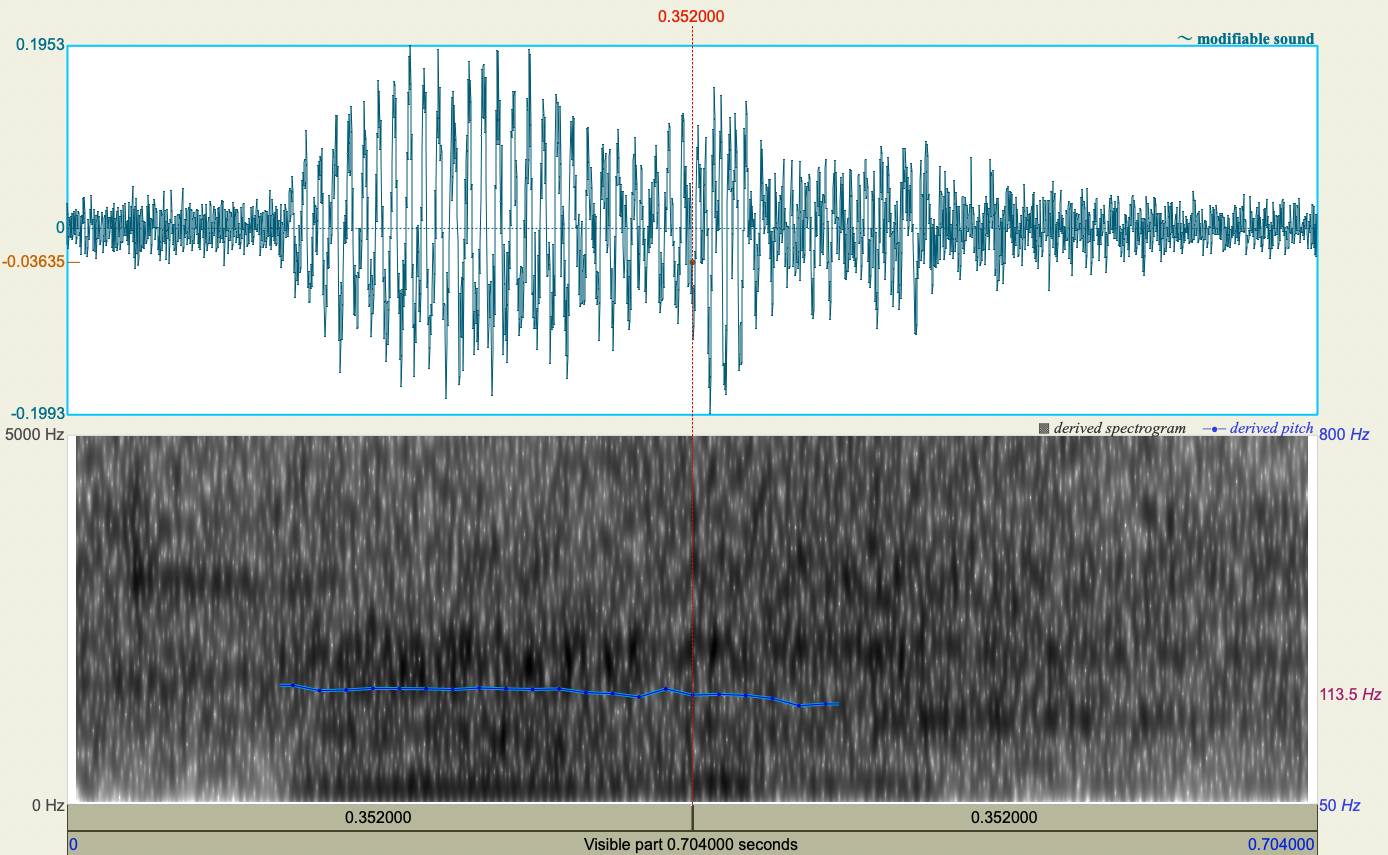
4. Growling
Official Definition
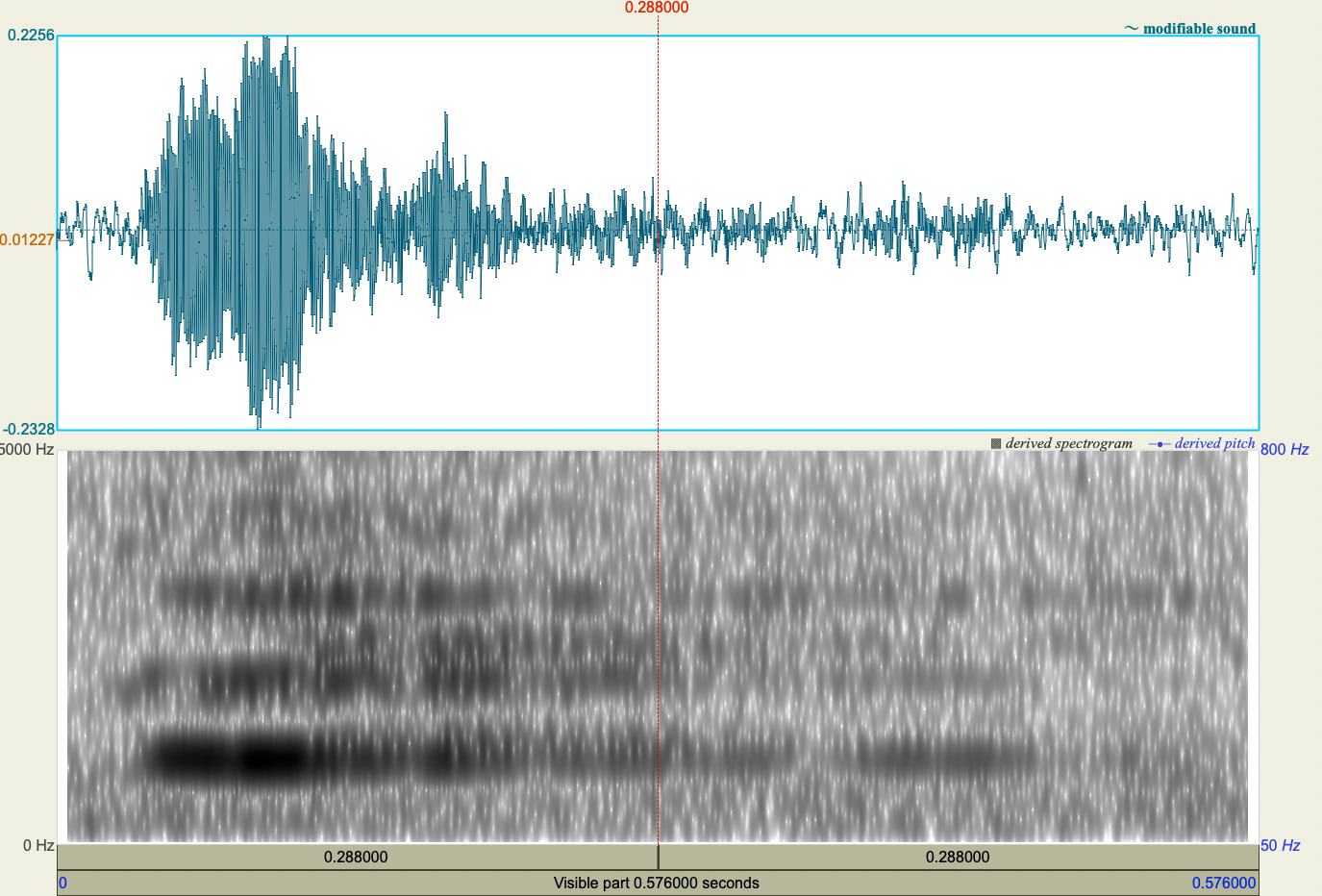
Growling is a low-frequency, rumbling vocalization produced by dogs, characterized by a continuous, guttural sound
emanating from the throat and chest. It serves primarily as a warning signal, expressing discomfort, fear, aggression,
or the intention to defend resources or territory. Growls can vary in intensity from soft rumbles during play
to deep, threatening sounds during confrontation. The growl is distinguished by its sustained nature,
low fundamental frequency (typically below 200 Hz), and the presence of nonlinear phenomena such as subharmonics
that contribute to its menacing quality.
Key Characteristics:
Duration: Sustained (0.5-5+ seconds) | Pitch: Very low | Context: Warning, threat, guarding, defensive play
Audio Samples with Analysis
Sample 1
Audio Player
Waveform & Spectrogram
Sample 2
Audio Player
Waveform & Spectrogram
Sample 3
Audio Player
Waveform & Spectrogram
😢
5. Whimper
Official Definition
Muted dog vocalization indicating submission, fear, or pain.
A whimper is a soft, high-pitched, and often plaintive vocalization produced by dogs, typically expressing
distress, anxiety, pain, submission, or a desire for attention or comfort. Whimpers are characterized by
their gentle, continuous nature and higher frequency range compared to growls or barks. This vocalization
is common in puppies seeking their mother or in adult dogs experiencing discomfort or uncertainty.
Whimpering often involves a series of brief, breathy sounds that may rise and fall in pitch,
conveying vulnerability and eliciting caregiving responses from humans and other dogs.
Key Characteristics:
Duration: Brief and repetitive (0.2-2 seconds per whimper) | Pitch: Medium to high | Context: Distress, anxiety, submission, seeking comfort
Audio Samples with Analysis
Sample 1
Audio Player
Waveform & Spectrogram
Sample 2
Audio Player
Waveform & Spectrogram
🌙
6. Howl
Official Definition
The long plaintive cry of a dog, wolf, or other canidae.
A howl is a prolonged, melodious vocalization produced by dogs, characterized by sustained, modulated tones
that often rise and fall in pitch. Howling is an ancestral behavior inherited from wolves, serving functions
such as long-distance communication, pack coordination, territorial announcement, and response to environmental
stimuli (such as sirens or musical instruments). The howl typically lasts several seconds and involves a
continuous sound with harmonic structure, distinguishing it from the shorter, more explosive bark.
Dogs may howl when lonely, to gather the pack, or in response to other howls, demonstrating its social nature.
Key Characteristics:
Duration: Long (1-5+ seconds) | Pitch: Medium, rising and falling | Context: Long-distance communication, loneliness, pack behavior, response to sounds
Audio Samples with Analysis
Sample 1
Audio Player
Waveform & Spectrogram
Sample 2
Audio Player
Waveform & Spectrogram
Sample 3
Audio Player
Waveform & Spectrogram
💨
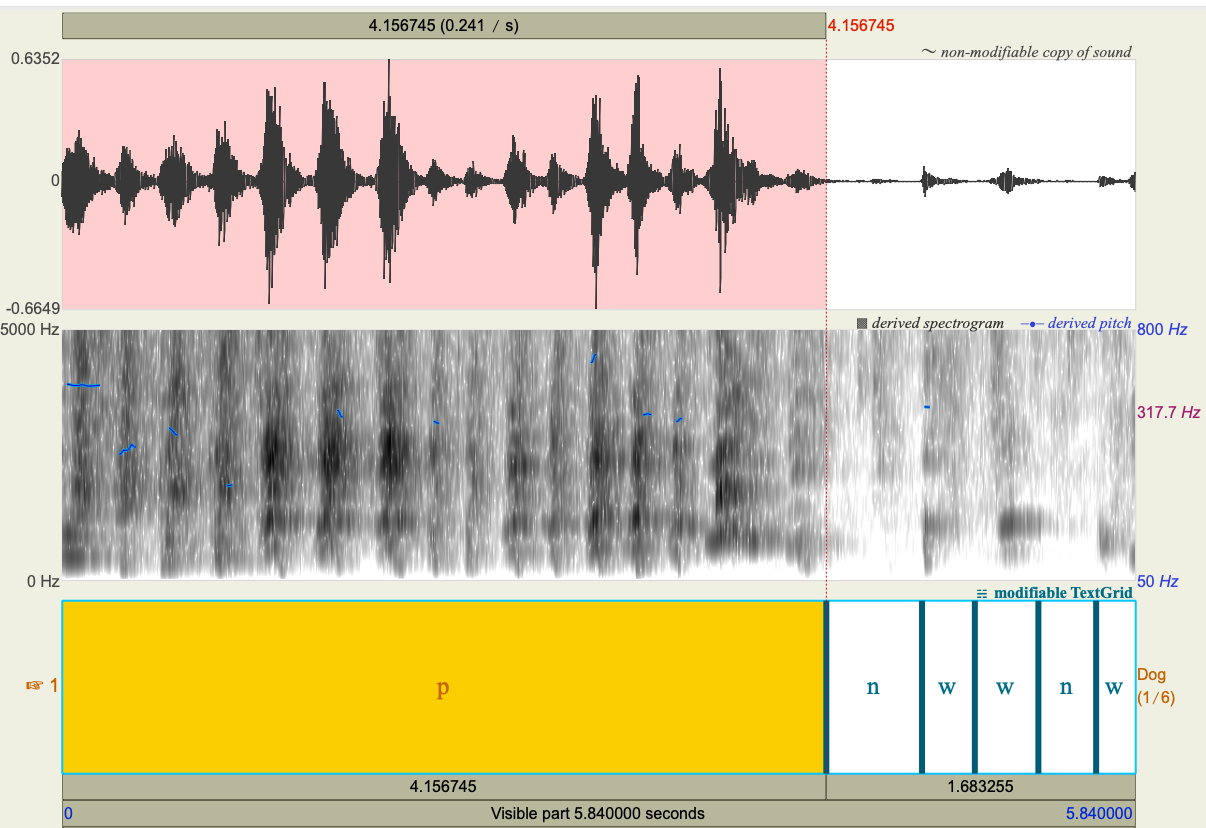
7. Panting
Official Definition
Panting is a rapid, shallow breathing pattern exhibited by dogs, primarily serving thermoregulatory functions
but also occurring during states of stress, excitement, or exertion. While technically not a vocalization in
the traditional sense, panting produces characteristic rhythmic sounds due to the rapid intake and expulsion
of air through the open mouth. The acoustic pattern of panting consists of repetitive, breathy sounds at a
frequency typically ranging from 100 to 400 breaths per minute. Unlike other vocalizations that originate from
the vocal cords, panting sounds result from airflow and can indicate the dog's physical state, emotional arousal,
or need for cooling. Panting may be accompanied by other vocalizations and is an important indicator of canine well-being.